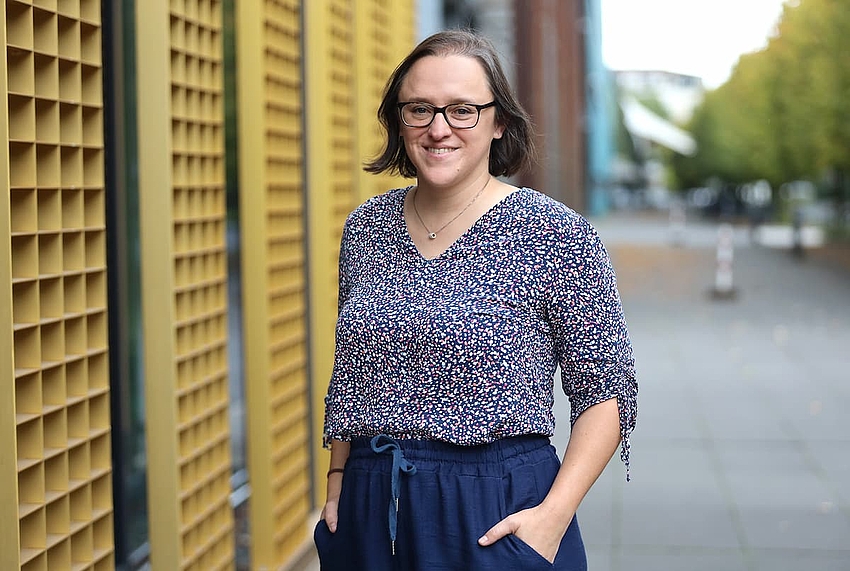
The Society for Industrial and Applied Mathematics (SIAM) announced their 2026 Class of SIAM Fellows. These distinguished members were nominated in…
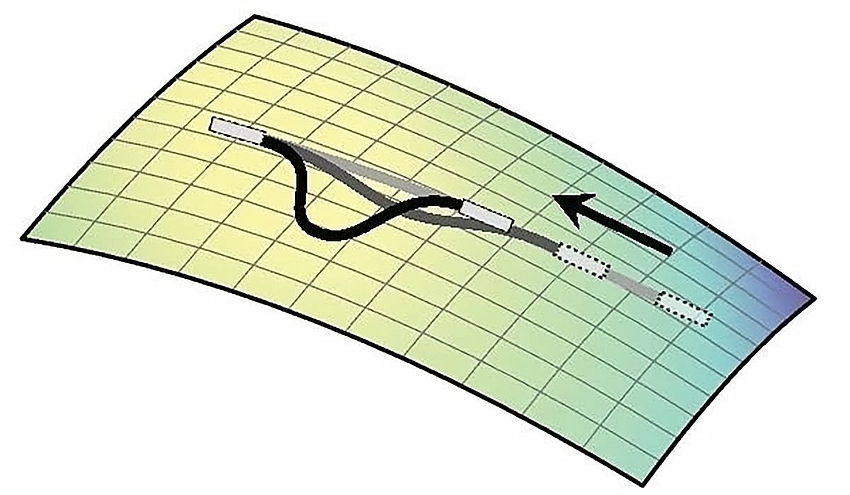
Researchers lay the foundations for mechanical instabilities on curved surfaces.
Founding Director of MPI-CBG will lead Europe's life sciences laboratory
Two MPI-CBG researchers are amongst 6,868 Highly Cited Researchers, a list compiled annually by Clarivate Plc.
Upgrade of CD-CODE to connect research on condensates for treatments and therapies
Daniela Egas Santander starts as a new research group leader at the MPI-CBG and CSBD